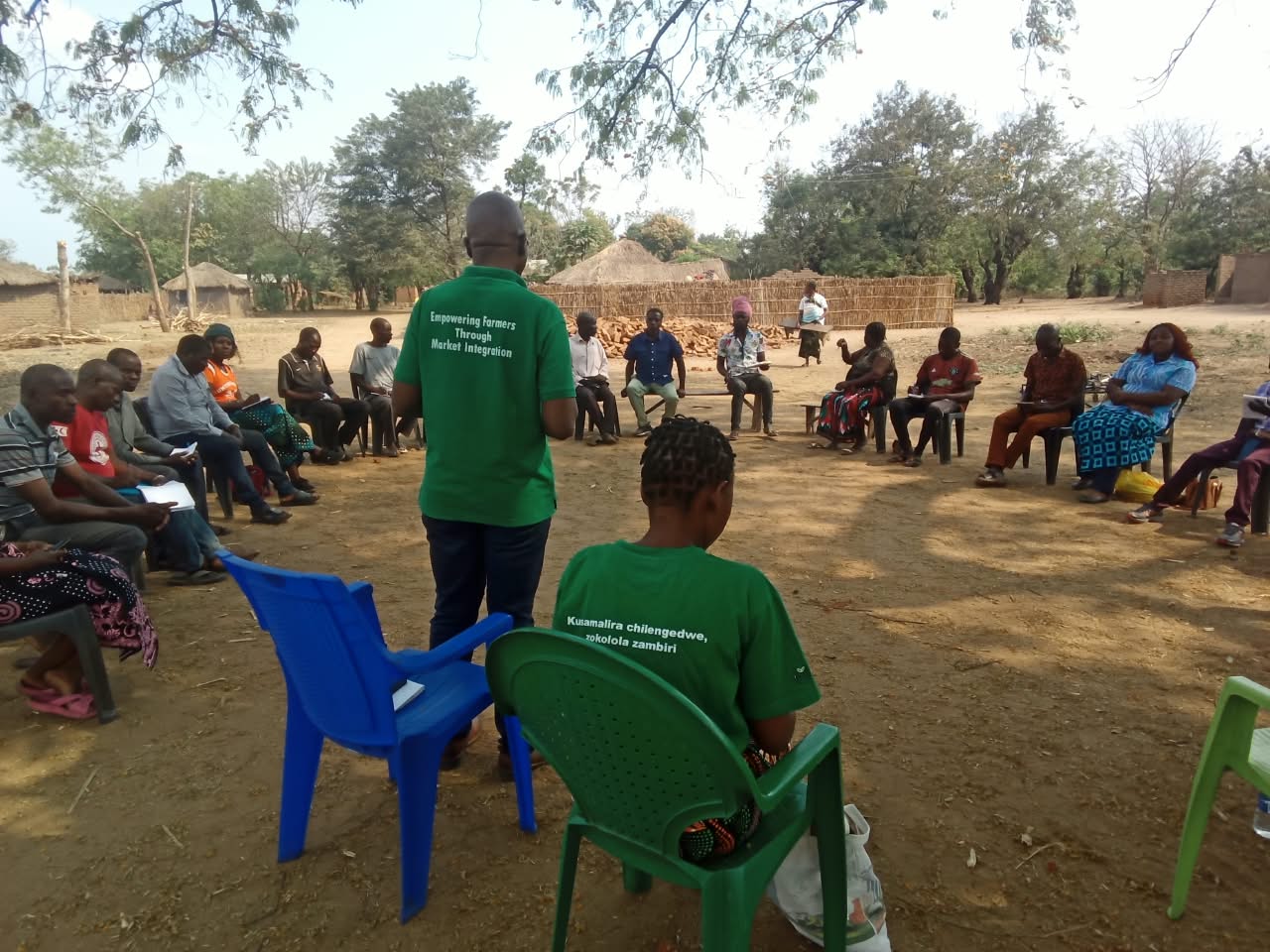
On 7th and 8th September 2026, YONECO participated in inception meetings for the second phase of an FCDO-funded project. These meetings were held with Area Development Committees (ADCs) and Area Disaster Risk Management Committees (ADRMCs) in Traditional Authorities (T/As) Ngabu, Ndamera, and Mbenje.
The meetings aimed to introduce the second phase of the FCDO-funded project, “Climate Adaptation and Resilience for Communities through Malawi Humanitarian NGO Consortium Project,” and to enhance understanding of the project interventions among all consortium partners.
During the sessions, project teams from CARD, Concern Worldwide, and YONECO provided a comprehensive overview of the project, detailing its purpose and geographic scope. Facilitators emphasized how the project directly addresses the recurring climate shocks prevalent in Nsanje District, such as floods, droughts, crop losses, and food insecurity. They also explained how the planned interventions are expected to support both immediate recovery and long-term resilience at household and community levels.
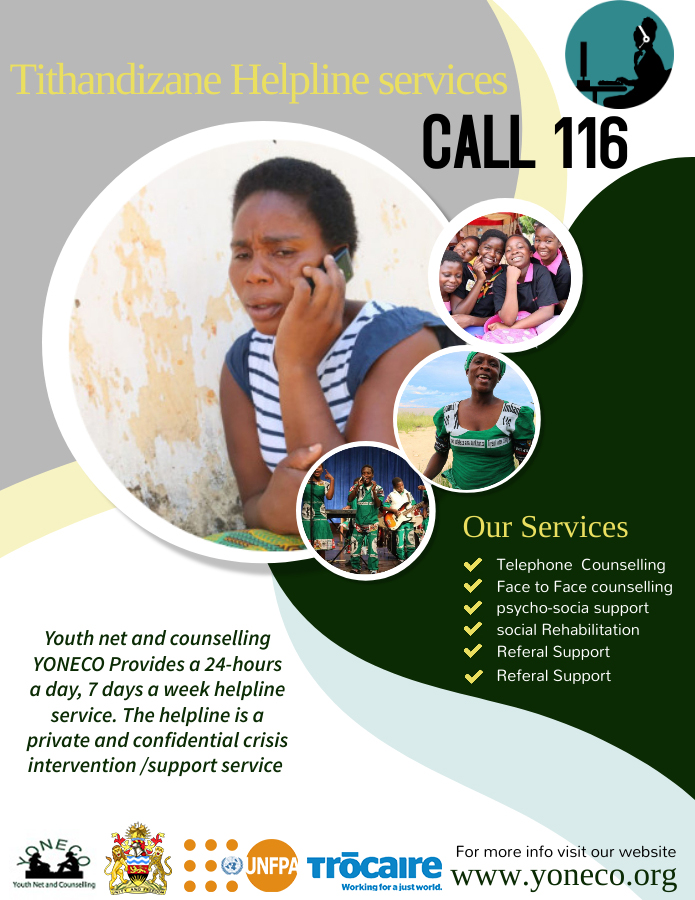
As part of YONECO’s contribution to the project, focusing on protection and safeguarding issues (Accountability to Affected Populations – AAP), the project’s Complaints and Feedback Mechanism (CFM) was widely publicized. The CFM was presented as a vital platform enabling community members to report grievances, voice concerns, offer feedback, or seek clarification regarding project activities. YONECO outlined the various reporting channels available, including National Helpline Services, suggestion boxes, helpdesks, and direct reporting through trained community focal persons.
The meetings also dedicated significant attention to clarifying the roles of the ADCs in project implementation, such as supervising field activities (schemes) and ensuring the project’s sustainability beyond its official implementation period.
Overall, the meetings were highly interactive, with participants expressing gratitude for the project. They affirmed that the project’s timing was opportune and that its focus areas directly addressed community needs. Community leaders acknowledged the importance of collaborative efforts with implementing partners and pledged their support for the successful rollout of activities.